

Honoring Heritage in Haute Style: Chinese Tea Ceremonies & Western Wedding Gowns


As Chinese New Year ushers in a season of renewal, prosperity, and family, many modern couples are reflecting those same values in their wedding celebrations. For brides and grooms with Chinese heritage, incorporating a traditional Chinese tea ceremony into a Western wedding is a beautiful way to honor family, culture, and legacy while still embracing contemporary bridal style.
At its heart, a wedding is about union, not only between two people, but between families, histories, and traditions. Today’s brides are redefining what that looks like, seamlessly blending a Chinese tea ceremony with a Western vow exchange and, of course, wearing more than one unforgettable look along the way.
If you’re wondering how to honor your heritage during a traditional Western wedding or how to incorporate multiple dresses into your celebration, this guide and these real brides offer elegant inspiration.
What Is a Chinese Tea Ceremony in a Wedding?
A Chinese tea ceremony is a time-honored tradition in which the couple formally honors their parents and elders by serving tea. In return, they receive blessings, wisdom, and often symbolic gifts such as red envelopes or jewelry.
It is intimate. Emotional. Deeply meaningful.
And increasingly, it’s becoming a cherished part of multicultural wedding weekends across the United States.
For many couples, the tea ceremony takes place earlier in the day or during a separate celebration before the Western ceremony and reception. Brides often wear a traditional red qipao or kua for the tea ceremony before changing into a white or ivory bridal gown for the vow exchange.
The result? A wedding day layered in symbolism and style.

How to Honor Family & Heritage During a Western Wedding
Blending cultures is not about compromise, it’s about curation. Here are thoughtful ways to honor Chinese heritage within a Western wedding celebration:
- Begin with a Traditional Tea Ceremony
Hosting a tea ceremony before your vows allows for an intimate moment with family. Whether held at home, at your venue, or in a private suite, this ritual centers your wedding day around gratitude and legacy.
Nicole and Aloïs began their celebrations with a meaningful and intimate Chinese tea ceremony at Le Grand Réfectoire, honoring tradition, family, and love before transitioning into their Western celebration. - Wear Traditional Chinese Attire
Many brides choose a red qipao or embroidered kua symbolizing luck and prosperity. The vibrant red photographs beautifully and creates a striking contrast to a white bridal gown later in the day. - Incorporate Symbolic Details
From double happiness motifs to gold jewelry gifted during the tea ceremony, these elements can also subtly weave into your Western décor, invitations, or reception styling. - Involve Family in Meaningful Ways
The tea ceremony provides space for parents and grandparents to be formally acknowledged—something often missing in Western ceremonies. It’s a powerful way to center your wedding around family, especially during Chinese New Year when ancestral honor is top of mind.
How to Work More Than One Dress Into Your Wedding Celebration
For brides wondering: Can I really wear more than one dress? The answer is a resounding yes. A Chinese tea ceremony paired with a Western ceremony naturally creates an opportunity for multiple wardrobe moments each intentional and distinct.
Here’s how to approach it with ease:
Create Clear Transitions
Plan your timeline so that outfit changes feel seamless rather than rushed. Many brides schedule the tea ceremony earlier in the day, followed by a styling reset before walking down the aisle.
Choose Complementary Silhouettes
If your traditional attire is richly detailed and structured, consider a Western gown that feels airy and romantic. Or, if your tea ceremony look is sleek and fitted, balance it with a dramatic ballgown for your vows.
Embrace Your Bridal Era
Madeline, one of our real brides, offered the most timeless advice:
“Take your time with choosing your dress, and try to live in the moment as you plan your wedding. You’re in your bridal era! It’s a once in a lifetime experience.”
Multiple dresses aren’t about excess, they’re about expression.
Real Brides Who Beautifully Blended Traditions
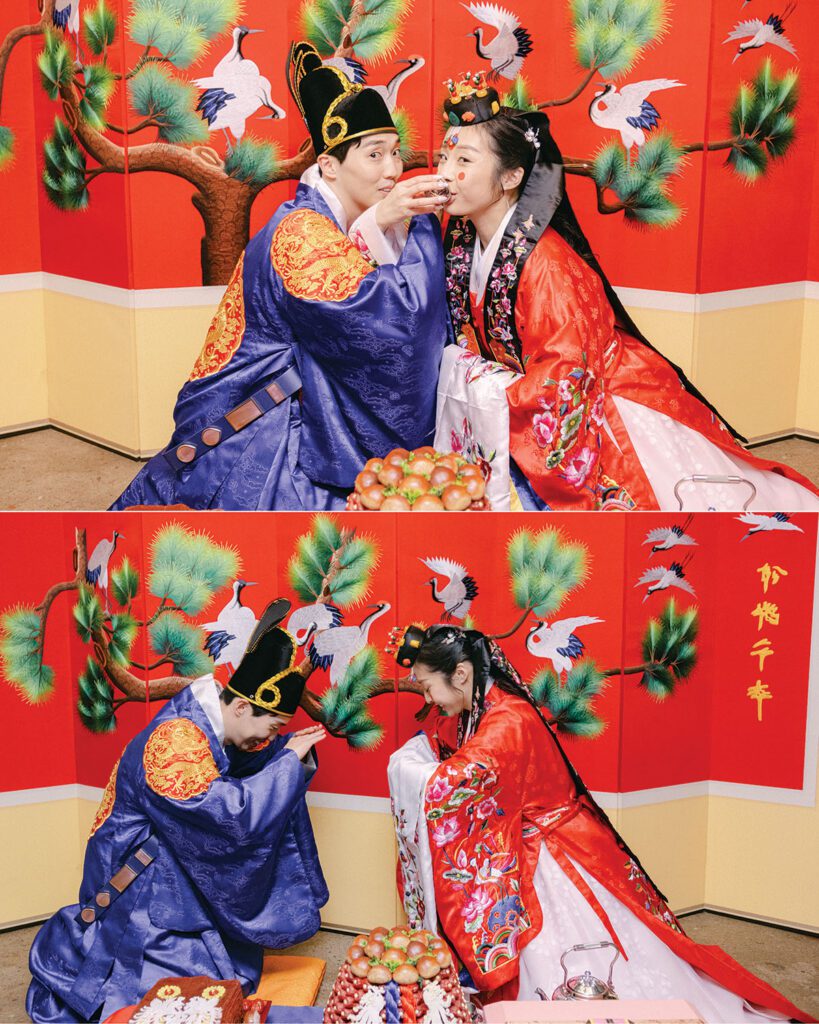

Madeline & John: Effortless Elegance Meets Meaningful Ritual
Madeline and John’s wedding was filled with love and beautiful traditions. Alongside their Western ceremony, they incorporated a heartfelt Chinese tea ceremony that made the day even more meaningful.
Madeline looked breathtaking in her Martina Liana ‘1749’ gown, an effortlessly elegant silhouette that carried her from aisle to reception with refined grace. The design’s clean lines and romantic detailing created a modern couture moment while allowing space for her heritage to shine earlier in the day.
Her celebration is a perfect example of how honoring tradition enhances not competes with contemporary bridal style.
Xianya & Jaron: Regal Romance & Cultural Beauty
Every single detail of Xianya and Jaron’s wedding was breathtaking but their Chinese ceremony was especially unforgettable.
For her Western vows, Xianya wore the exquisite ‘Bloomsbury’ gown by Suzanne Neville. Elegant. Classic. Utterly timeless. The gown’s refined structure and graceful lines made her look like royalty.
Paired with the vibrancy and symbolism of her traditional Chinese ceremony attire, the dual looks created a wedding day aesthetic that was both culturally rich and couture-forward.

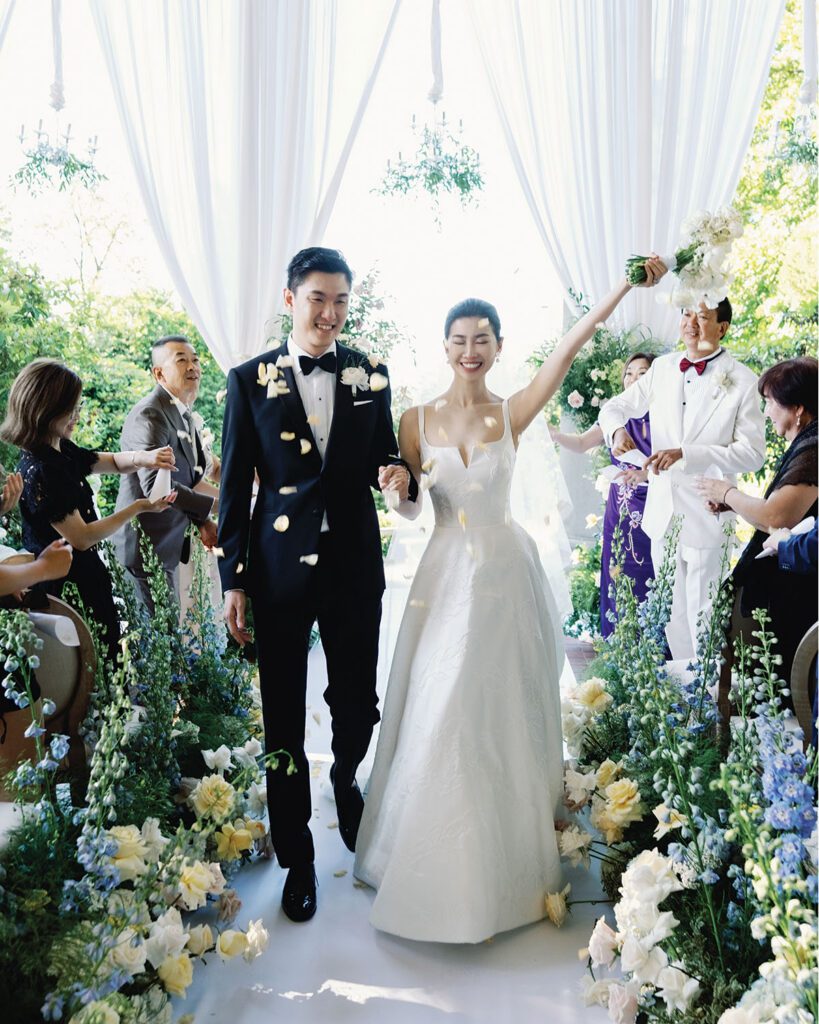

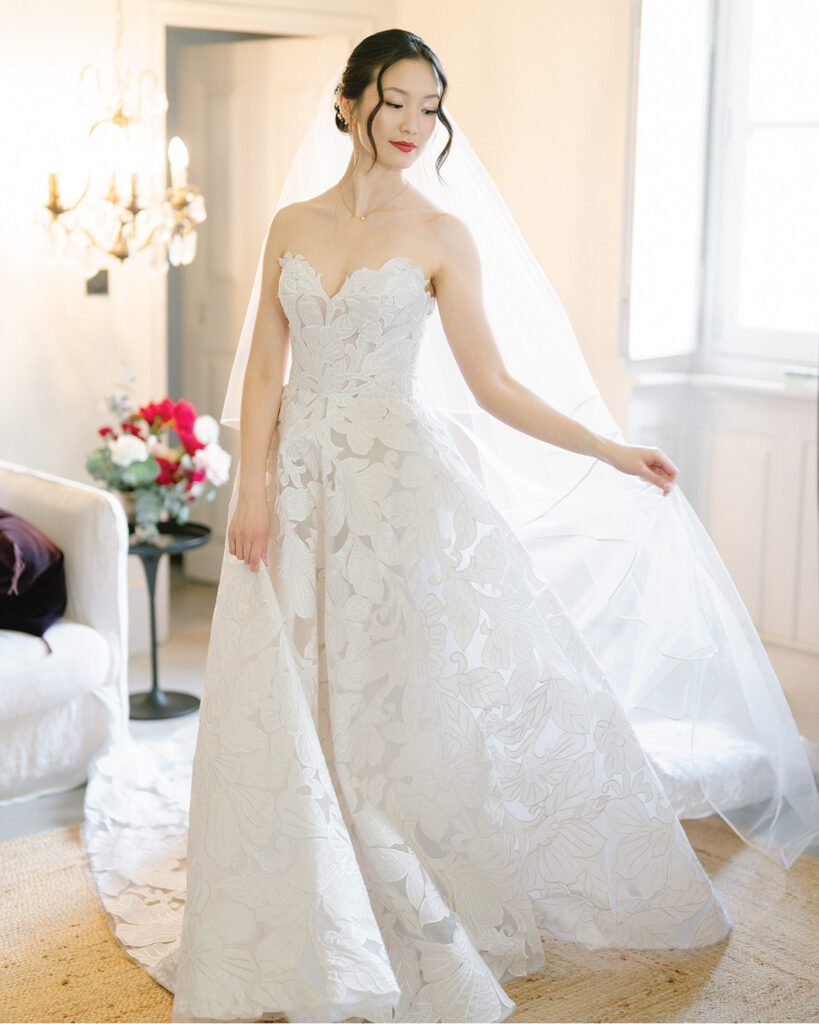
Nicole & Aloïs: Intimate Tradition, Effortless Glamour
Nicole’s wedding celebrations began with an intimate Chinese tea ceremony at Le Grand Réfectoire, a deeply personal moment honoring her family and heritage.
Later, she said “I do” in the stunning ‘Florence’ gown by Enaura New York. The design embodied effortless elegance, with refined detail and modern romance. Her seamless transition from traditional ceremony to Western vows illustrates how multiple dresses can feel cohesive when each reflects a distinct chapter of the day.
Why Chinese New Year Is the Perfect Time to Plan a Heritage-Inspired Wedding
Chinese New Year symbolizes new beginnings, prosperity, and unity, values that mirror the essence of marriage. It’s also a meaningful time for newly engaged couples to reflect on how they want their wedding to represent both love and lineage.
If you’re planning a 2026 or 2027 wedding, now is the perfect season to consider:
- Will you host a traditional Chinese tea ceremony?
- How will you honor your parents and elders?
- How can your wardrobe reflect both heritage and personal style?
Planning a Multicultural Wedding: Frequently Asked Questions
Can you have both a Chinese tea ceremony and a Western ceremony on the same day?
Yes. Many couples schedule the tea ceremony in the morning or early afternoon, followed by their Western ceremony and reception.
Is it acceptable to wear two (or more) wedding dresses?
Absolutely. Multiple dresses allow you to honor tradition while fully expressing your bridal style. Structured for the ceremony. Dramatic for the reception. Cultural for the tea ceremony. Each look serves a purpose.
Do you have to wear red for the tea ceremony?
Red is traditional and symbolizes luck and joy, but modern brides are embracing embroidered golds, pinks, and even contemporary interpretations of the qipao.
Your Wedding, Your Legacy
Blending a Chinese tea ceremony with a Western wedding isn’t about choosing one identity over another—it’s about honoring the fullness of who you are. From traditional red silks to couture ivory gowns, from intimate tea rituals to grand aisle moments, your celebration can hold it all. As Madeline so beautifully said: this is your bridal era. Honor your family. Embrace your heritage. And step into your wedding day dressed in every chapter of your story.